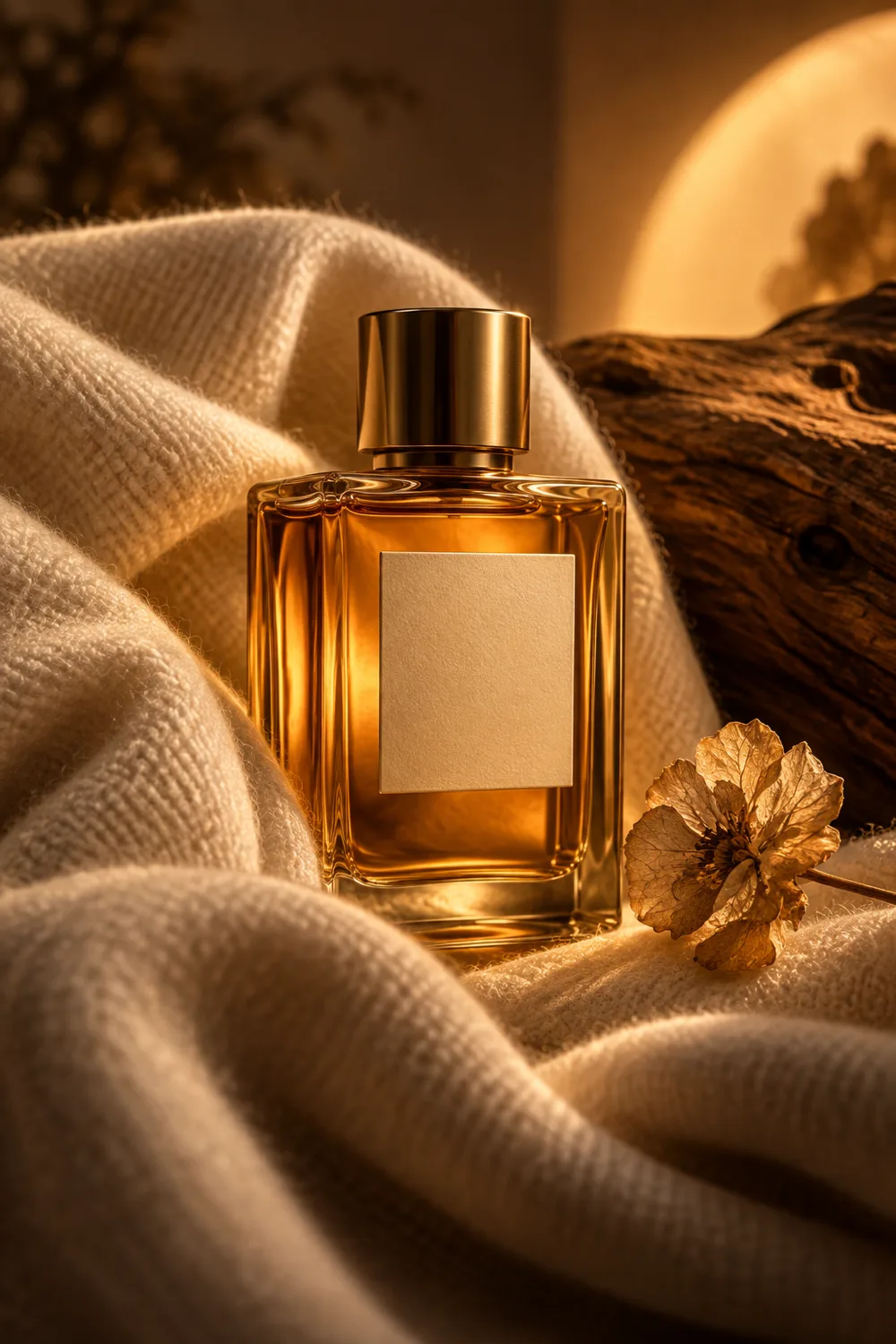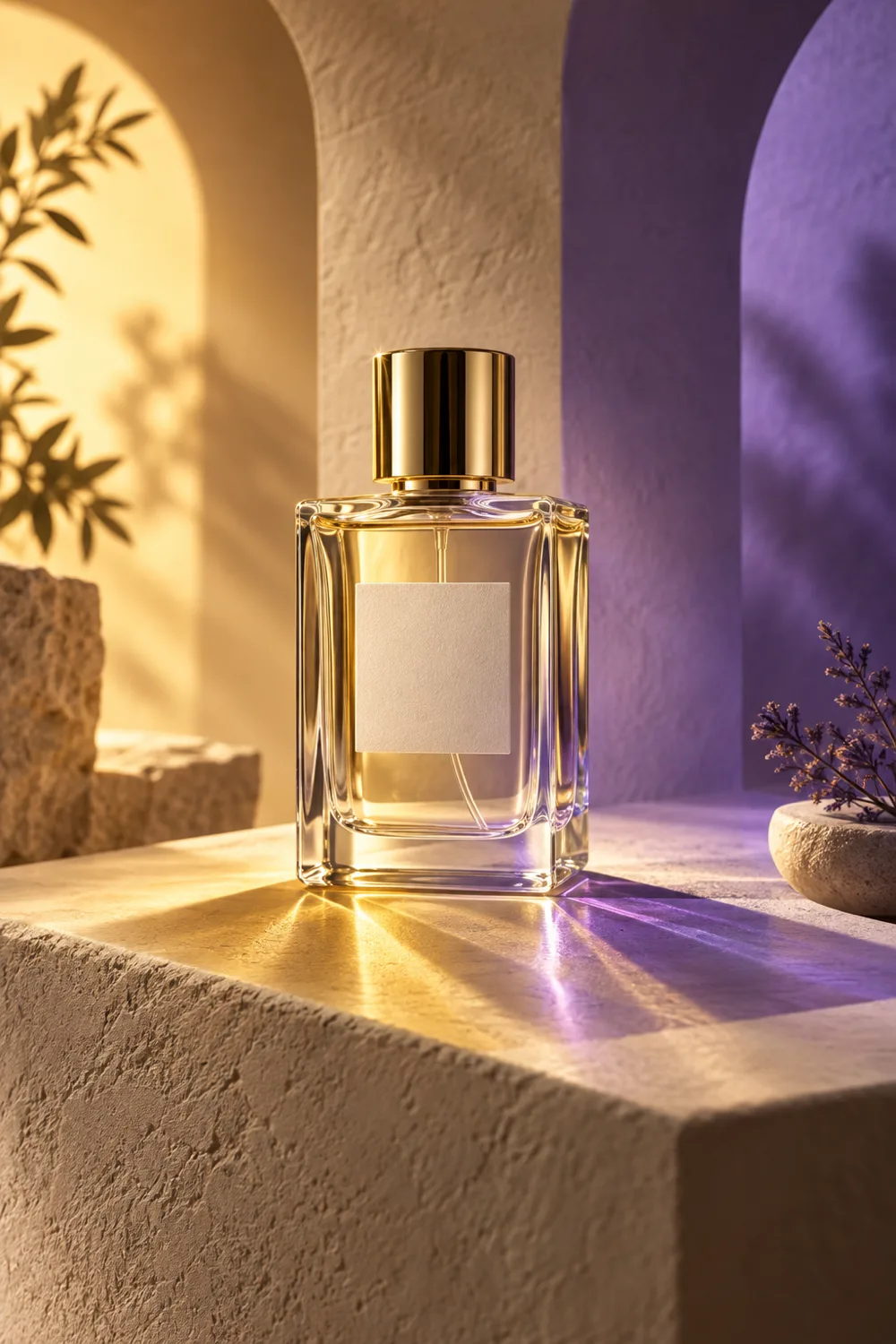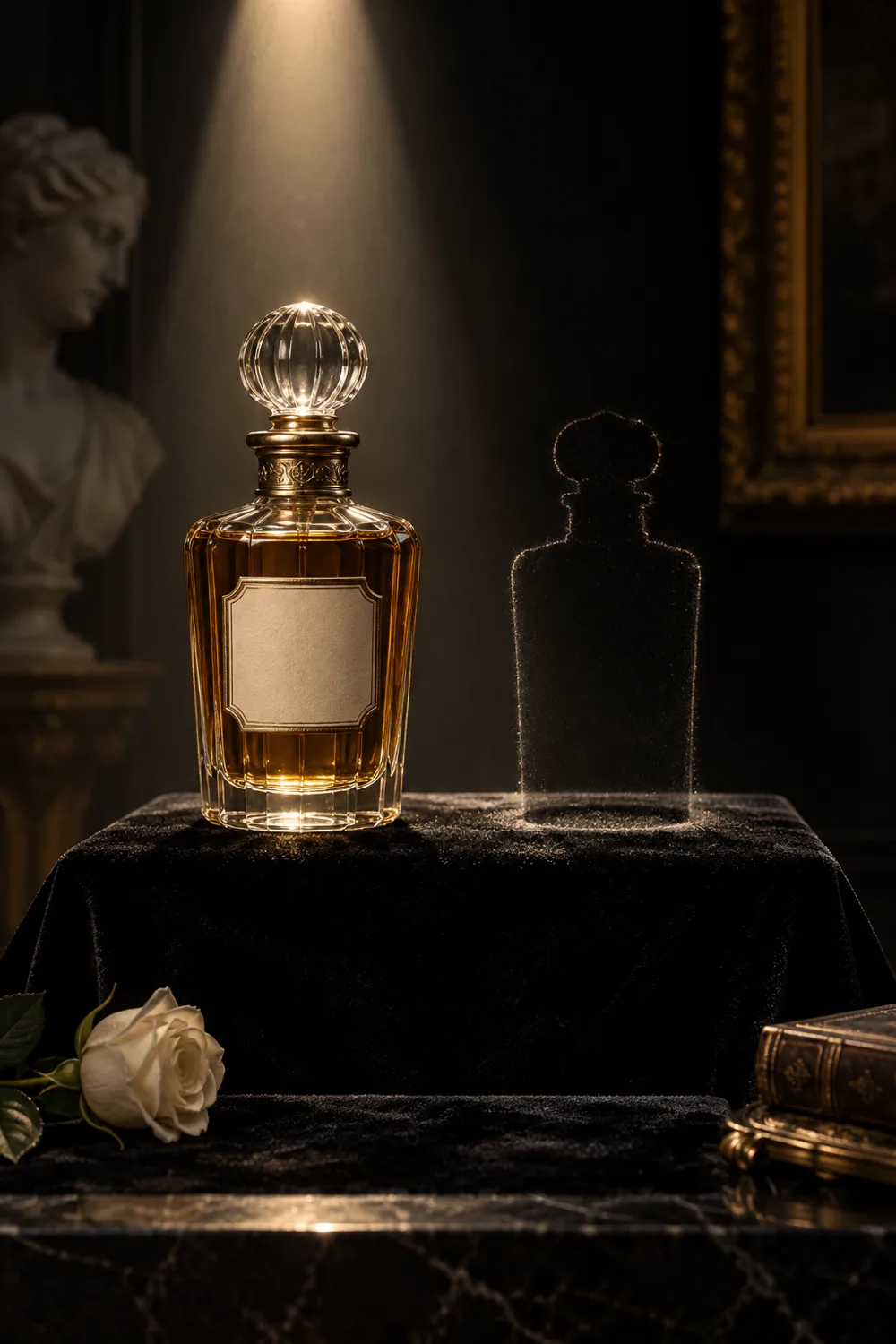
The assumption is usually that this is about vanity — someone upset they can no longer buy the thing that made them feel good, unwilling to move on to a substitute. That framing misses what’s driving the reaction underneath it. When a fragrance gets discontinued and someone reacts with genuine distress, more often than not it’s a memory and identity problem wearing the costume of a shopping problem.
What a discontinued fragrance represents underneath the loss
A fragrance worn consistently over time doesn’t stay just a fragrance. It becomes bound to a period of someone’s life, a version of themselves, sometimes a relationship or a place — through the same direct olfactory-limbic pathway responsible for any strong scent-triggered memory. Our guide on why scents trigger strong memories covers that mechanism in depth, but the short version is: smell reaches the brain’s memory and emotion centers more directly than sight or sound, which is why the associations formed around a long-worn signature scent tend to be unusually durable and vivid.
Losing access to that fragrance isn’t like losing access to a favorite shirt in your size. It’s closer to losing access to a specific, reliable trigger for a specific memory or identity — a “wearable” version of a photo album that can’t easily be recreated with a substitute chosen for its similar notes alone.
Why “just find something similar” doesn’t fully solve it
This is the part that frustrates people trying to be helpful. A note-for-note similar fragrance can approximate the smell without replicating the association, because the association was built through years of repeated wear during a specific period, not through the raw scent profile in isolation. Two fragrances can share the same notes on paper and produce completely different emotional responses, because one of them has history attached and the other doesn’t.
That’s not irrational. It’s consistent with how scent-memory binding works at a mechanical level — the memory is attached to the specific, repeated experience, not to an interchangeable set of ingredients that happen to smell similar.
A few honest options, if this happens to you
- Buy remaining stock while it’s available — perfume has a shelf life, but a well-stored bottle can often last years past a discontinuation, buying time without solving the underlying loss.
- Look for a reformulation or reissue — brands sometimes bring back a discontinued scent, occasionally reformulated, occasionally close to the original; worth checking before assuming it’s gone permanently.
- Accept that a “similar” scent is a different thing, not a replacement — a close match can be worth wearing on its own merits, but expecting it to carry the same emotional weight sets up disappointment. Let it be its own thing instead of a stand-in.
- Start building a new association deliberately — if you choose a new signature scent going forward, understand that the same depth of association takes time and consistent wear to develop; it won’t arrive on day one, and that’s normal, not a sign you chose wrong.
Why brands discontinue fragrances people love
The decision to discontinue rarely has anything to do with how loved a fragrance is by its existing wearers. Raw material costs shift, and a scent built around an ingredient that’s become expensive or hard to source may no longer be profitable at its original price point. A brand’s portfolio gets streamlined for retail efficiency, and a slow, steady seller with a devoted but small following can lose shelf space to a newer release with broader marketing appeal. Sometimes it’s simpler than either of those: a limited-batch or anniversary release was only ever meant to be temporary, and its discontinuation was built into the plan from the start, even if that wasn’t obvious to the person who fell in love with it along the way.
None of this is a reflection of the fragrance’s quality, and understanding the business logic behind a discontinuation doesn’t make the loss any less real for someone who built years of association around the result. It does help explain why “but everyone loved it” so rarely reverses the decision — a devoted niche following and a commercially sound product aren’t always the same thing from the brand’s side of the ledger.
A step further: what gets lost underneath the smell
It helps to be specific about what’s gone when a fragrance is discontinued, because it isn’t simply “the smell.” The smell itself might well be recreatable — a skilled perfumer given the original formula, or even a close guess at it, could reproduce something extremely similar. What’s harder to recreate is the context: the specific years it was worn, the version of yourself that wore it, the people who knew you by it. A note-for-note clone wouldn’t restore any of that, because that part was never in the bottle to begin with — it was built by you, over time, through repeated wear, and it doesn’t transfer to a new bottle just because the chemistry matches closely.
This is worth sitting with because it reframes what “moving on” requires in practice. It isn’t finding a chemical match. It’s accepting that a specific chapter closed, and that a new scent — however good — will need its own years of wear to mean anything close to what the old one did.
Why this hits some people harder than others
Not everyone who loses a favorite fragrance reacts the same way, and that’s consistent with the underlying science, not a contradiction of it — the olfactory-limbic pathway explains the mechanism, not the intensity of any individual’s outcome. Someone who wore a scent daily for a decade during a specific life chapter has a different depth of association than someone who wore it occasionally for a year. The reaction scales with how deeply the association was built, not with how “objectively good” the fragrance was.
What to do while you decide how you feel about it
- Give yourself permission to be more affected than the situation “should” warrant. A discontinued fragrance is a small, specific event on paper, but the underlying mechanism it disrupts — a direct link to memory and identity — is not a small thing, and there’s no reason to talk yourself out of a real reaction to a real loss.
- Separate the practical response from the emotional one. Stocking up on remaining bottles or checking for a reissue addresses the practical side; it won’t necessarily resolve the emotional side, and treating a practical fix as a full solution can leave the harder part unaddressed.
- Don’t rush the replacement search. Looking for a new signature scent under time pressure, specifically to fill the gap the old one left, tends to produce a worse outcome than letting a new association build naturally over time, the way the original one did.
- Consider keeping the empty bottle. Even without the liquid inside, a bottle retains some of its visual and tactile association — not the full effect of the scent, but not nothing either, and it costs nothing to hold onto if it helps.
A note on collector and resale markets
For some discontinued fragrances, a secondary market keeps bottles circulating well past the official end of production — collector communities, resale platforms, and estate sales all factor in here. This comes with real tradeoffs worth knowing about before buying: perfume degrades over time, especially with light and heat exposure, so an older bottle from an unverified source carries genuine risk of smelling meaningfully different from how it did when it was fresh. Buying from a reputable, specialized reseller who stores stock properly reduces that risk considerably compared to an unknown seller with no visibility into how a bottle was kept. It’s a reasonable path for extending access to something meaningful, but it’s not a guarantee of an identical experience to what you remember.
Building a rotation less vulnerable to this in the future
If you’ve been through this once, it’s reasonable to want to lower the odds of it happening again — though there’s no way to eliminate the risk entirely, since discontinuations are a business decision outside any individual wearer’s control. One reasonable approach: instead of building your entire fragrance identity around a single signature scent, keep a small rotation of two or three fragrances you wear regularly enough to form real associations with each. Losing one is still a loss, but it’s not the same as losing the only thread connecting you to a whole period of your life. Our guide on building a fragrance wardrobe without overspending covers how to build that kind of rotation deliberately instead of by accident, which has this added benefit alongside the more obvious ones like variety and cost management.
The takeaway
Mourning a discontinued fragrance isn’t about the bottle. It’s a normal response to losing access to a reliable trigger for a specific memory, identity, or period of life — the same mechanism that makes any strong scent-memory association work is exactly what makes losing that scent feel disproportionately significant to someone who’s never explained it to you. Understanding that doesn’t bring the bottle back, but it does explain why “just try something similar” so rarely lands the way it’s intended to.